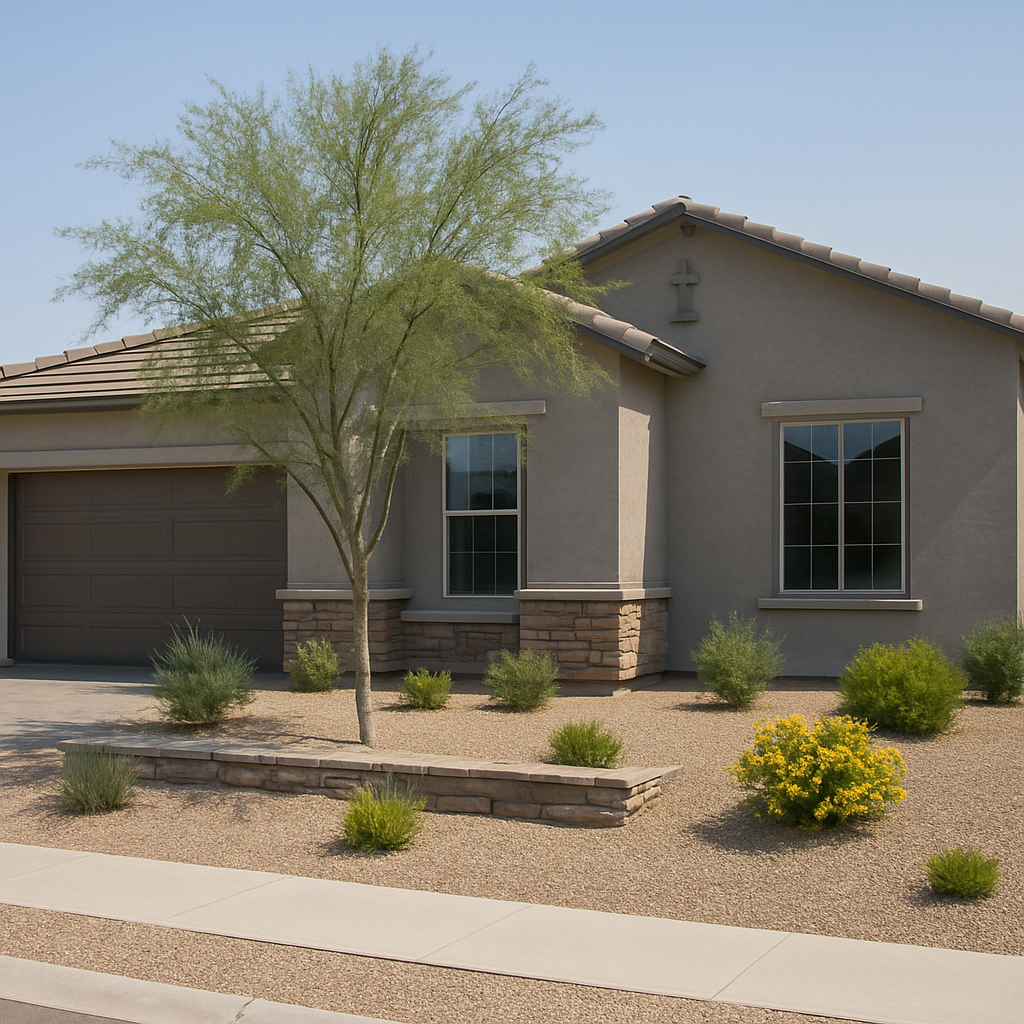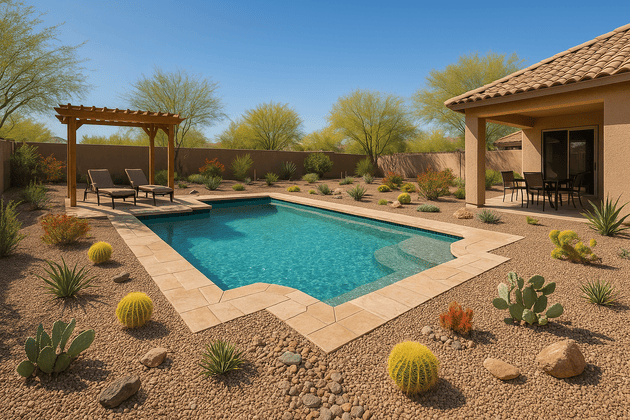
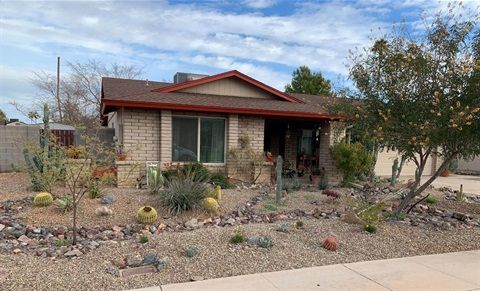
Yes, you can landscape an Arizona yard with an HOA, but you usually cannot begin work based only on what looks reasonable. Your community may regulate turf, artificial grass, rock color, plant height, tree removal, front-yard coverage, pavers, lighting, walls, gates, pergolas, and even how much exposed soil is visible.
That creates a frustrating situation for Arizona homeowners. A landscape can be water-wise, attractive, and perfectly suited to the Sonoran Desert, yet still be rejected because it does not match the HOA’s approved appearance standards. Other homeowners have the opposite problem. They receive approval for a design that looks good on paper, then discover that the yard is difficult to irrigate, impossible to shade, or poorly prepared for monsoon runoff.
The safest approach is to treat the HOA application and the landscape design as one project. The plan needs to satisfy the community’s rules while also accounting for Arizona heat, caliche, drainage, irrigation, mature tree size, and the way your family actually uses the property.
HOA approval does not automatically mean the landscape will work in Arizona. You need a plan that satisfies the rules and survives the climate.
What Can an Arizona HOA Control?
Most HOAs cannot make every landscaping decision for you, but the governing documents may control the visible appearance of the property. Rules vary by community, so do not assume that a neighboring subdivision has the same requirements.
Common HOA landscaping rules address:
- How much of the front yard must contain living plants
- How much artificial turf, rock, or hardscape is allowed
- Approved turf colors and product types
- Rock color, size, and placement
- Plant species, mature height, and spacing
- Tree removal, tree replacement, and tree trimming
- Weed control and exposed dirt
- Landscape edging and borders
- Walls, gates, screens, and privacy structures
- Pergolas, ramadas, shade sails, and patio covers
- Landscape lighting and visible wiring
- Construction hours, access, and debris removal
The rules may be located in the declaration, architectural guidelines, design standards, community handbook, or separate landscaping rules. Ask the management company or board for the current version. An old PDF from a previous homeowner may not be reliable.
Why Water-Wise Landscaping Can Still Be Rejected
Many Arizona homeowners assume an HOA must approve any design that saves water. That is not always how the review process works. An HOA may support conservation in principle while still requiring a specific visual standard for front yards.
A plan may be rejected because it has too much exposed dirt, uses unapproved rock, contains plants that will grow over a sidewalk, places a tree too close to a wall, or replaces a continuous lawn with a design the reviewer considers unfinished.
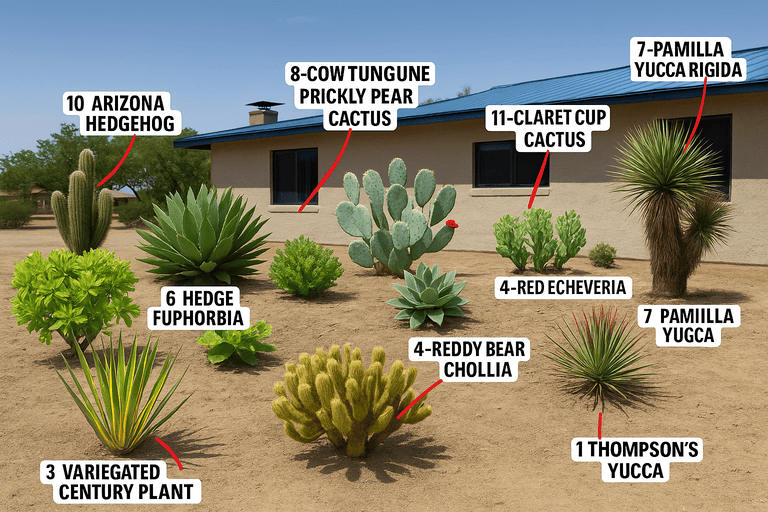
The solution is usually not to abandon desert landscaping. It is to present the design clearly. Show plant names, mature sizes, spacing, rock type, coverage percentages, irrigation zones, edging, and a finished appearance. A color plan with labeled photos is easier to approve than a paragraph saying “low-water plants and rock.”
Can an HOA Ban Artificial Turf in Arizona?
Some communities restrict artificial turf, while others allow it only if the product, color, installation, drainage, or location meets specific standards. The answer depends on your governing documents and the rules that apply to your property.
Before ordering turf, look for requirements about minimum blade height, color variation, visible seams, borders, infill, front-yard percentages, and the percentage of the yard that must remain planted. Some HOAs also require a sample or manufacturer information with the application.
Artificial turf can look artificial when it is installed as one uninterrupted green rectangle. A more HOA-friendly design may combine turf with defined planting beds, trees, pavers, decorative rock, steel or concrete edging, and a clear transition between materials.
See our Queen Creek artificial turf services and Mesa artificial turf services for local installation options.
What Plants Are Usually Easier to Get Approved?
HOAs commonly prefer plants that look intentional, remain within their mature size, and do not create a maintenance problem along sidewalks or neighboring properties. Desert-adapted plants can be a good fit, but “native” does not automatically mean “approved.”
Before selecting plants, check whether the community has an approved plant list. Also check whether it distinguishes between front yards, side yards, pool areas, and rear yards.
Plant selection should consider:
- Ultimate height and width, not the size at the nursery
- Thorns near walkways and driveways
- Roots near foundations, pipes, walls, and pools
- Leaf litter near drains and pool equipment
- Water requirements and irrigation zones
- Visibility at intersections and driveways
- Frost exposure and reflected heat
- Maintenance obligations under the HOA rules
A five-gallon tree may look small when installed but eventually shade a window, touch a roof, interfere with a gate, or lift nearby hardscape. Plan for the mature tree, not the tree’s delivery-day appearance.
Can You Remove Grass Before HOA Approval?
Do not remove the grass until you know whether your application has been approved. Many communities consider turf removal, rock installation, tree removal, and hardscape construction exterior modifications requiring prior written approval.
Starting early can create several problems. The HOA may require you to restore the original landscape, reject materials that have already been delivered, or impose a deadline while you are waiting for a revised plan. Even if a contractor is ready to begin, the responsibility for approval usually remains with the homeowner.
Get the approval in writing and keep the approved plan, product information, emails, conditions, and final inspection requirements in one place.
What Should an HOA Landscape Plan Include?
A strong application makes it easy for a reviewer to answer three questions: what will be installed, where will it go, and what will the finished property look like?
- Property address and homeowner information
- Existing site plan or property outline
- Proposed planting areas and hardscape
- Plant names, quantities, and mature dimensions
- Artificial turf product and color information
- Rock type, color, and depth
- Paver, concrete, or walkway materials
- Tree locations and expected mature canopy
- Irrigation zones and controller changes
- Drainage direction and downspout locations
- Lighting locations and fixture specifications
- Structures, walls, gates, or shade elements
- Photos, elevations, or a simple finished rendering
The application should show transitions between materials. Reviewers often need to see where turf ends, where rock begins, how planting beds are edged, and whether the final design will look finished from the street.
Arizona Problems an HOA Plan Should Not Ignore
Caliche and hard soil
Arizona soil may contain caliche, buried construction debris, compacted fill, or heavy clay. These conditions affect tree planting, footings, drainage, and paver preparation. If the plan assumes that every area can be dug by hand, the final price and schedule may change.
Monsoon drainage
Low-water landscaping still needs to move stormwater correctly. A new planting bed, retaining edge, or paver patio can redirect runoff toward the house, a neighbor, a pool equipment pad, or a sidewalk. Show drainage changes before approval, not after water begins collecting.
Reflected heat
Plants beside block walls, south-facing windows, concrete, and pool decking experience more heat than the same plants in an open bed. A plant list that works in one part of the yard may fail beside a west-facing wall.
Irrigation zones
New trees, shrubs, turf, pots, and planting beds should not automatically share one watering schedule. Separate high-water and low-water areas so the landscape can be maintained without overwatering drought-tolerant plants.
Our Gilbert irrigation services and Mesa irrigation services can help coordinate irrigation with the landscape plan.
How to Avoid an HOA Rejection
- Request the current rules before designing the yard.
- Ask whether architectural approval is required.
- Measure the areas being changed instead of estimating them.
- Use plant names and mature dimensions.
- Include product information for turf, rock, pavers, and lighting.
- Show how the design will look from the street.
- Explain drainage and irrigation changes.
- Submit samples when color or texture matters.
- Wait for written approval before demolition.
- Keep the approved plan available during construction.
A vague submission forces the reviewer to imagine the finished yard. A clear submission lets the reviewer approve a specific result.
Can an HOA Make You Keep Grass?
This depends on the community’s documents, applicable law, and the exact restriction. Some HOAs require a certain front-yard appearance but allow approved alternatives to traditional grass. Others may regulate the percentage of living landscape, artificial turf, or hardscape.
If your application is denied, ask for the specific rule and the exact part of the plan that does not comply. Requesting a revision path is usually more productive than submitting the same plan again without changes.
Keep all communication professional and written. If the issue involves a significant dispute, review your governing documents and consider speaking with an Arizona attorney who handles HOA matters.
What About Pergolas, Pavers, Lighting, and Outdoor Kitchens?
Landscape approval may not be the only approval required. A pergola, ramada, outdoor kitchen, gas fire feature, electrical work, new wall, or attached patio cover may involve separate HOA review, city permits, utility requirements, or licensed-trade work.
Do not assume that approval for the plants also approves a structure. Submit the complete project scope when possible, including dimensions, setbacks, materials, colors, lighting, and utility connections.
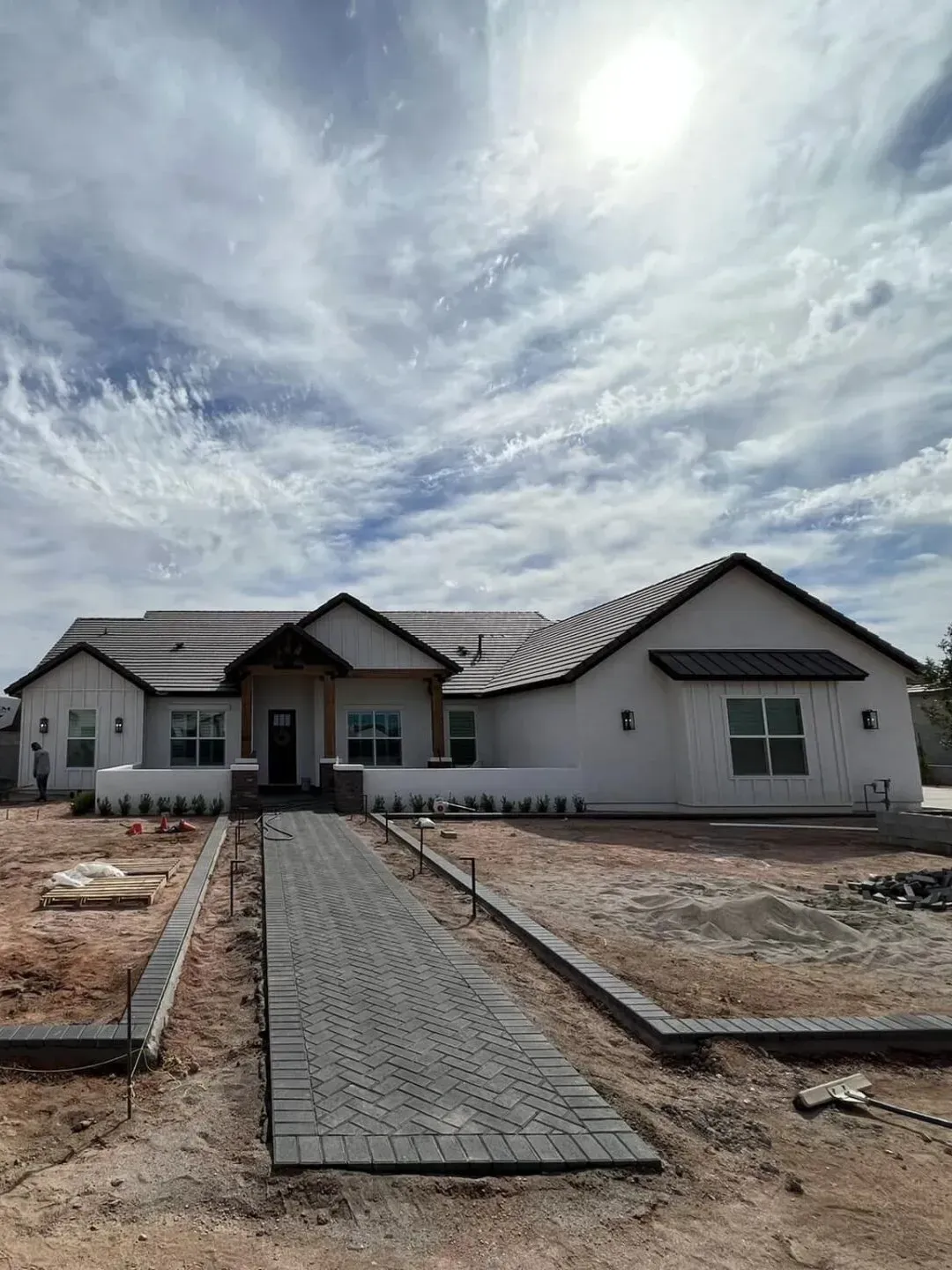
For related work, see our Chandler paver services, Queen Creek pergola services, and Scottsdale outdoor lighting services.
Frequently Asked Questions
Can I landscape my Arizona yard without HOA approval?
Many communities require written approval for visible exterior changes. Check the current governing documents before removing grass, installing turf, changing rock, planting trees, or building hardscape.
Can an HOA reject desert landscaping?
An HOA may reject a design that does not follow its appearance, plant, coverage, or material standards. A water-wise design is more likely to succeed when it includes labeled plants, defined beds, approved materials, irrigation information, and a clear finished appearance.
Do HOAs allow artificial turf in Arizona?
Some do and some restrict it. Requirements may apply to color, blade height, product quality, front-yard coverage, drainage, borders, and installation. Check your community rules before purchasing turf.
Can I remove a tree from my Arizona yard?
Possibly, but many communities regulate tree removal and require replacement planting. Never remove a mature or street-visible tree without checking the HOA rules and any city requirements.
How long does HOA landscaping approval take?
Timing varies by community and whether the application is complete. Missing plant names, product samples, measurements, or drainage information can cause delays or require resubmission.
What happens if my HOA denies the plan?
Ask for the specific rule and request the changes needed for approval. Revise the plan rather than beginning work and hoping the HOA does not object.
The Best HOA Landscape Is Planned Twice
An Arizona landscape has to pass two tests. It needs to satisfy the HOA’s visual and material requirements, and it needs to function through intense heat, hard soil, limited rainfall, and monsoon storms.
The most successful projects are specific before they are submitted. They account for mature plant size, shade, irrigation, drainage, access, maintenance, and the way the property will look from the street. That preparation gives the HOA something clear to approve and gives the homeowner a landscape that is more likely to perform after installation.
Modern Desert Landscapes helps homeowners plan landscaping, artificial turf, irrigation, pavers, pergolas, outdoor lighting, fire features, and other outdoor improvements throughout the East Valley. Visit our Queen Creek landscaping services or Gilbert landscaping services to learn more.
Plan an HOA-Approved Arizona LandscapeEast Valley Landscapers
Get a free landscaping quote.
Contact Us
Call Us: (480) 577-9577
Find Your Service